
When people think of investing, they often imagine something that comes later in life—after landing a steady job or building up a big savings account. But the truth is, the earlier you start, the more powerful your money becomes. Even small amounts invested consistently can grow significantly over time. Think of it like planting seeds that will grow into strong trees. Let’s break down why starting early and sticking with it is one of the smartest financial decisions you can make.
Time Is Your Most Powerful Tool
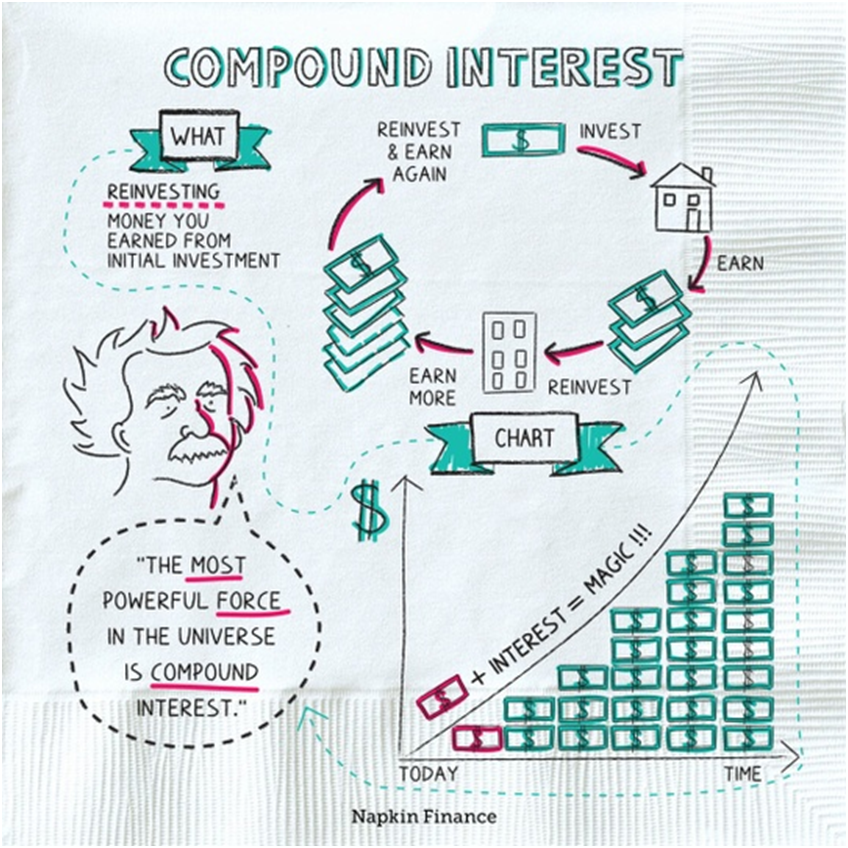
Imagine having a magic wallet that not only keeps your money safe but also grows it over time. That’s exactly how compound interest works. When you invest, any returns you earn can be reinvested, allowing you to earn returns on both your original money and the gains it generates. This creates a snowball effect—your money grows faster the longer you leave it alone.
Here’s the key: the earlier you start, the more time compound interest has to work its magic.
Why Investing Beats Just Saving
Saving is great, but a typical savings account earns very little interest—often less than 1% annually. On the other hand, investments in stocks, bonds, or mutual funds historically offer much higher returns over the long term. By investing, you give your money the opportunity to work for you and grow faster than it would in a basic savings account.
Think of it like giving your money a job instead of letting it sit idle.
Think Long Term: Stay Invested
Investing is not a get-rich-quick strategy. It’s a long-term game. The stock market naturally rises and falls, but over time, it has always trended upward. The key is patience and consistency.
Think of it like growing a garden. You don’t plant seeds and expect fruit the next day. You water it, give it sunlight, and wait. The same goes for your investments—nurture them and give them time.
What Are You Actually Investing In?
Understanding the basics of what you’re investing in can help you feel more confident:
- Stocks: Buying a share of a company. If the company grows, your investment grows. You might also earn dividends—your share of the company’s profits.
- Bonds: Lending money to a company or government in exchange for regular interest payments. Bonds are generally less risky but offer smaller returns than stocks.
- ETFs and Mutual Funds: These are collections of many stocks or bonds bundled together. They help reduce risk by spreading your money across multiple investments—a strategy known as diversification.
Small Amounts Can Lead to Big Results
You don’t need thousands of dollars to start investing. Even $25 or $50 a month can grow into a significant amount over the years thanks to compound interest. The key is to start small and stay consistent.
Consider setting up automatic monthly contributions to your investment account. This way, you’re building your wealth without having to think about it every month—just “set it and forget it.”
Education Is Part of the Journey
Investing might feel overwhelming at first, but the more you learn, the more comfortable you’ll become. Start with the basics:
- Learn about different types of investments.
- Understand your risk tolerance—how much risk you’re willing to take with your money.
- Use trusted websites, books, and apps to build your knowledge.
You don’t have to become a financial expert overnight. Just aim to keep learning and make informed decisions over time.
Don’t Fear Market Ups and Downs
Markets go up, markets go down. That’s normal. What matters is how you respond when they do. Many people panic and sell when markets drop, which often locks in losses. Historically, markets have always bounced back. Staying calm and sticking with your investment plan is one of the most important habits you can develop.
This is why experts often say, “Time in the market beats timing the market.”
Give Your Money a Head Start
Starting early gives your money a massive advantage. Think of your financial journey as a marathon, not a sprint. Every dollar you invest today has years—even decades—to grow. Even small contributions made consistently can lead to major wealth in the future.
You’re not just saving—you’re strategically building your financial future. And the sooner you begin, the better your results will be.

