
Social Security is a government program that helps retired Americans. It has been around for 90 years. As more people get older, many worry if Social Security will still be there when they retire. Social Security is important, but it should be just one part of your retirement plan. It’s smart to understand all the pieces of retirement planning to reach your money goals.
Whether you’re close to retirement or just starting your career, it’s good to learn how Social Security works with your financial plan. To make smart choices, you need to know the program’s past, current problems, and ways to plan for the future.
How Social Security started
Social Security began in 1935 during tough economic times under President Franklin D. Roosevelt. It was meant to help older Americans who needed money. What started small has grown into a big program that helps millions of retirees, disabled workers, and their families.
Here’s how Social Security works: current workers pay taxes that go directly to pay today’s retirees. This means the money you pay in taxes now doesn’t go into your own account. Instead, it pays for someone who is getting benefits right now.
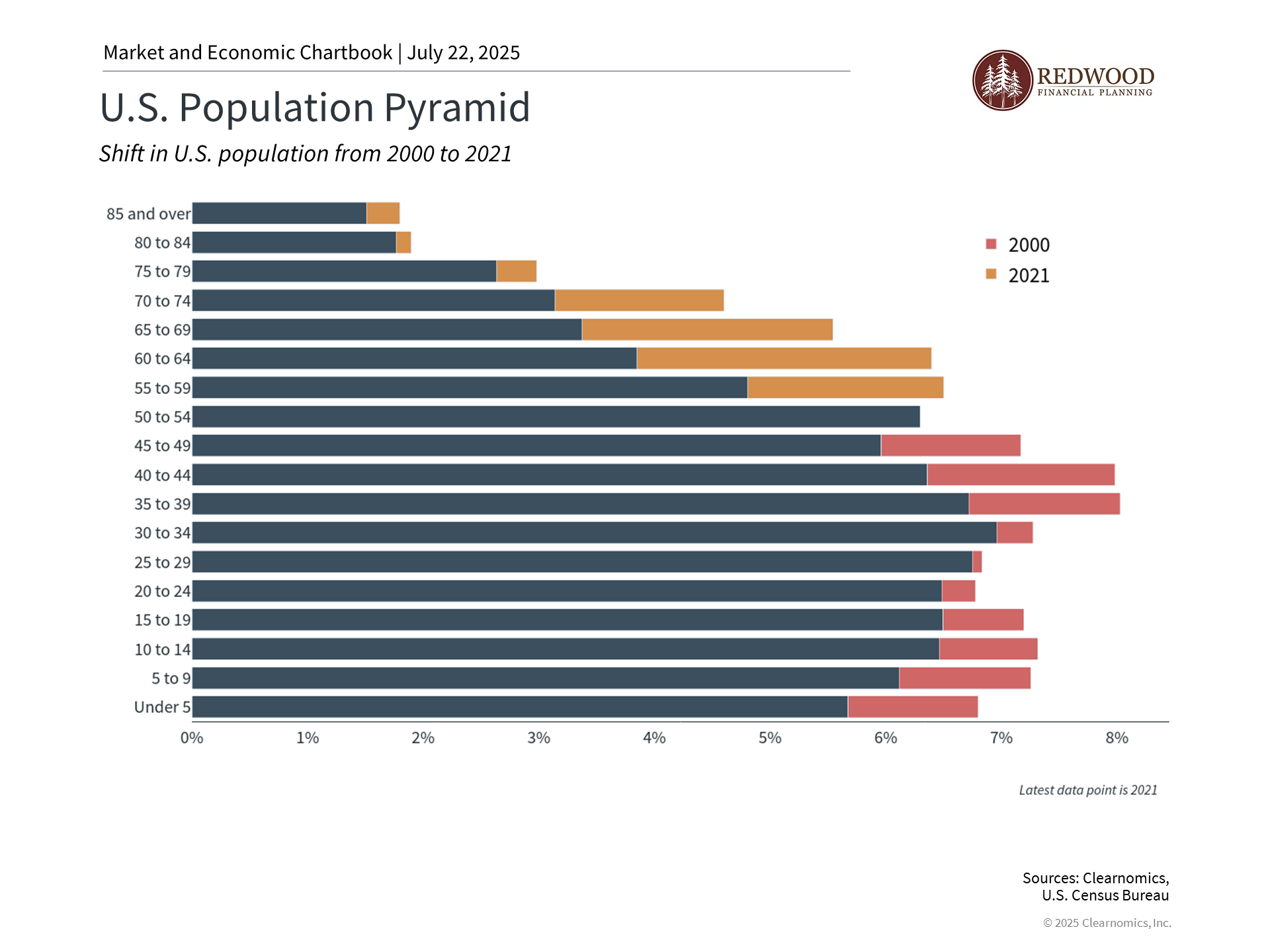
This system worked well when there were many workers and fewer retirees. In 1940, there were 42 workers for each retiree. Today, there are only about 2.8 workers for each person getting benefits. This number keeps getting smaller as more people retire and fewer babies are born.
People living longer creates challenges for Social Security
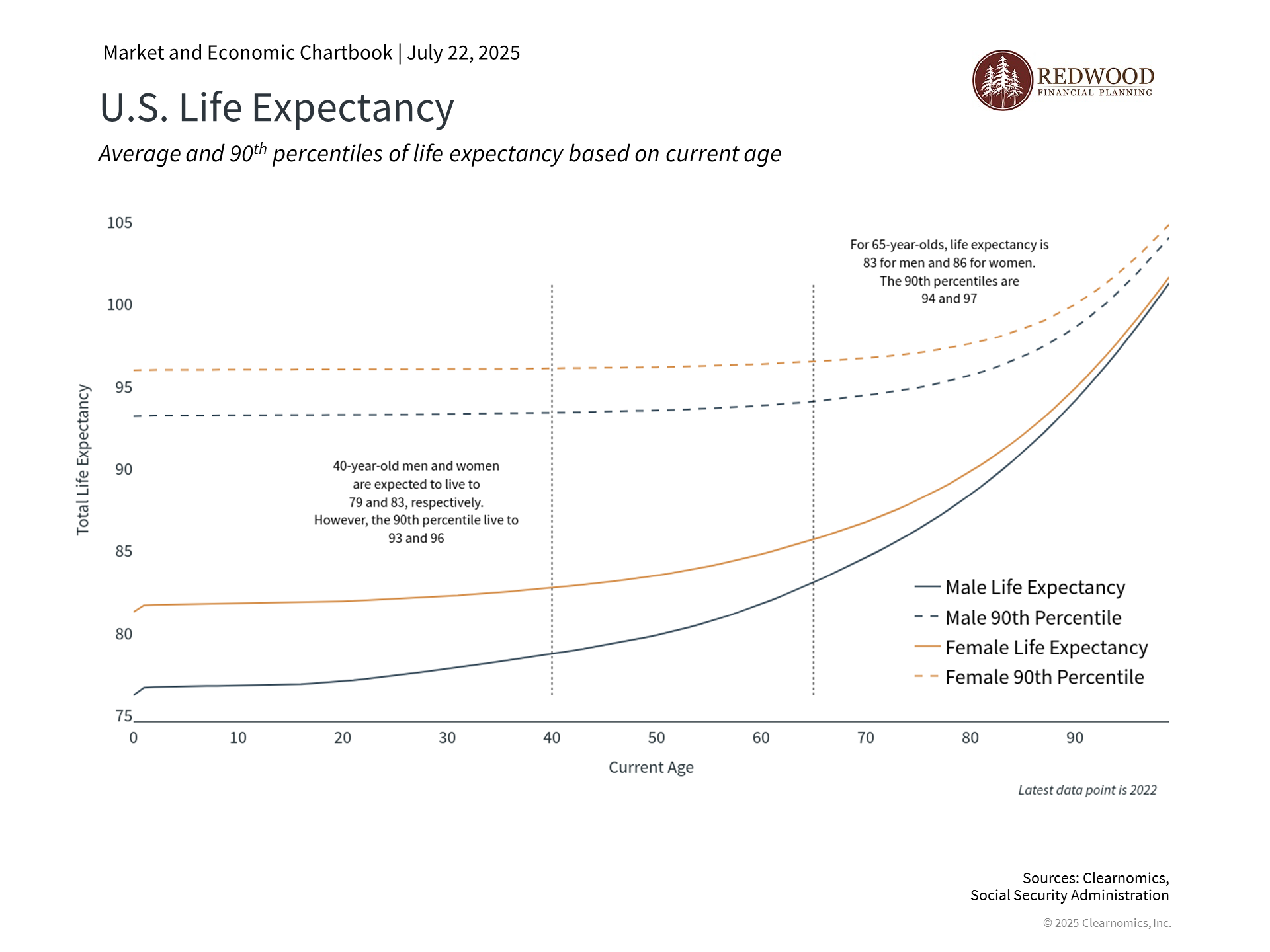
Experts say Social Security’s trust fund (the money saved up) will run out around 2034. After that, the program would still get money from worker taxes, but it would only cover about 78% of promised benefits. The exact date might change, but the problem is real: without changes, Social Security can’t pay full benefits forever.
Some ideas to fix Social Security include making people wait longer to retire, having higher earners pay more taxes, and stopping fraud. But these solutions are hard to agree on politically.
Other countries have faced similar problems. Some raised their retirement ages. Australia only gives benefits to people who don’t have much money or assets.
How to plan for your retirement
Since Social Security’s future is uncertain, you need to plan carefully for retirement. Here are some important things to think about:
When to start taking benefits: You can start getting Social Security at age 62, but your monthly payment will be smaller. If you wait until age 70, your monthly payment grows by about 8% each year after your full retirement age (which is 66 or 67, depending on when you were born).
Using other money while you wait: Some people use their savings as a “bridge” while waiting for higher Social Security benefits later. This can work well for married couples.
Taxes on benefits: You might have to pay taxes on up to 85% of your Social Security benefits, depending on your total income. Good planning can help reduce these taxes.
Don’t count on Social Security alone: Younger workers should build retirement plans that don’t depend heavily on Social Security. Treat it as extra help, not your main source of money.
Save in tax-friendly accounts: Put as much as you can into 401(k)s, IRAs, and HSAs (Health Savings Accounts). These accounts give you tax breaks that can make up for possibly smaller government benefits.
Social Security has had money problems before, and politicians still want to protect the program. The smart approach is to not ignore Social Security, but also not depend on it completely. Instead, think of it as one part of a well-rounded retirement plan.
Understanding Social Security’s challenges helps you build a stronger retirement plan, no matter how old you are or what stage of your career you’re in.

