
In a world saturated with 24/7 news cycles and ever-present political discourse, it’s easy for investors to get swept up in the noise. Every election, every policy debate, and every global event can feel like it has the potential to derail your financial plans. However, a truly robust investment strategy recognizes that market fundamentals, not political rhetoric, are the primary drivers of long-term wealth creation.
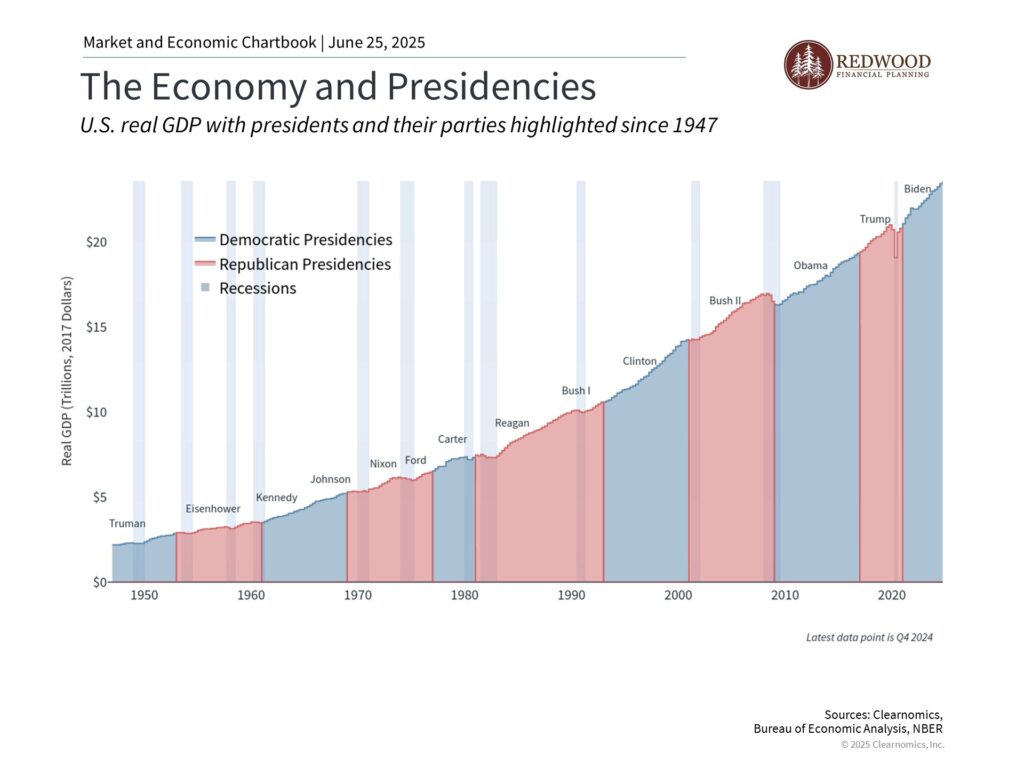
One critical aspect of building a portfolio that ignores political noise is to cultivate a long-term perspective. Short-term market fluctuations, often fueled by political uncertainty, tend to be just that – short-term. Historically, markets have demonstrated a remarkable ability to recover and continue their upward trajectory regardless of who occupies the White House or which party controls Congress. Trying to time the market based on political predictions is a fool’s errand, more likely to lead to missed opportunities and increased transaction costs than superior returns.
Instead, concentrate on the underlying health and growth potential of the companies you’re investing in. Are their business models sound? Do they have strong competitive advantages? Are their financials robust? These are the questions that truly matter for long-term investors, far more than the latest poll numbers or legislative skirmishes. By focusing on these enduring qualities, you can insulate your portfolio from the emotional roller coaster of political cycles.
You need to recognize the inherent unpredictability of politics. Even seasoned political analysts often get it wrong. Basing investment decisions on such uncertain outcomes introduces unnecessary risk. A disciplined investor adheres to their predetermined asset allocation, rebalancing as needed to maintain their desired risk profile, rather than making impulsive changes based on political headlines. This approach fosters resilience, allowing your portfolio to weather various political climates and stay on track toward your financial objectives.
Another vital component of a resilient portfolio is a deep understanding of diversification. While the chart above highlights historical market performance under different political parties, true diversification goes beyond national borders and political affiliations. Including international stocks, both from developed and emerging markets, can help mitigate the impact of any single country’s political or economic woes. Similarly, diversifying across various sectors and industries can protect your portfolio from adverse policies impacting a specific segment of the economy. For instance, a policy change unfavorable to the tech sector might have less impact on a portfolio that also holds significant investments in healthcare, consumer staples, or utilities.
You should also consider the role of behavioral finance in your investment decisions. Humans are wired to react to perceived threats and opportunities, and political events often trigger strong emotional responses. The fear of a particular party coming to power or the euphoria of a favored candidate winning can lead to irrational decisions like panic selling during a downturn or chasing overvalued assets during a boom. A successful long-term investor recognizes these behavioral biases and actively works to counter them by sticking to a predefined investment plan, rebalancing regularly, and avoiding impulsive reactions to political headlines. Your financial goals should be the compass guiding your investment journey, not the ever-shifting winds of political discourse.

